Saint Joseph Mae Ramat School Fosters Sufficiency Economy Principles Through Creative Recycled Crafts in Early Childhood Education
 Admin
Last updated: 21 Sept 2026
63 Views
Objectives of the Activity
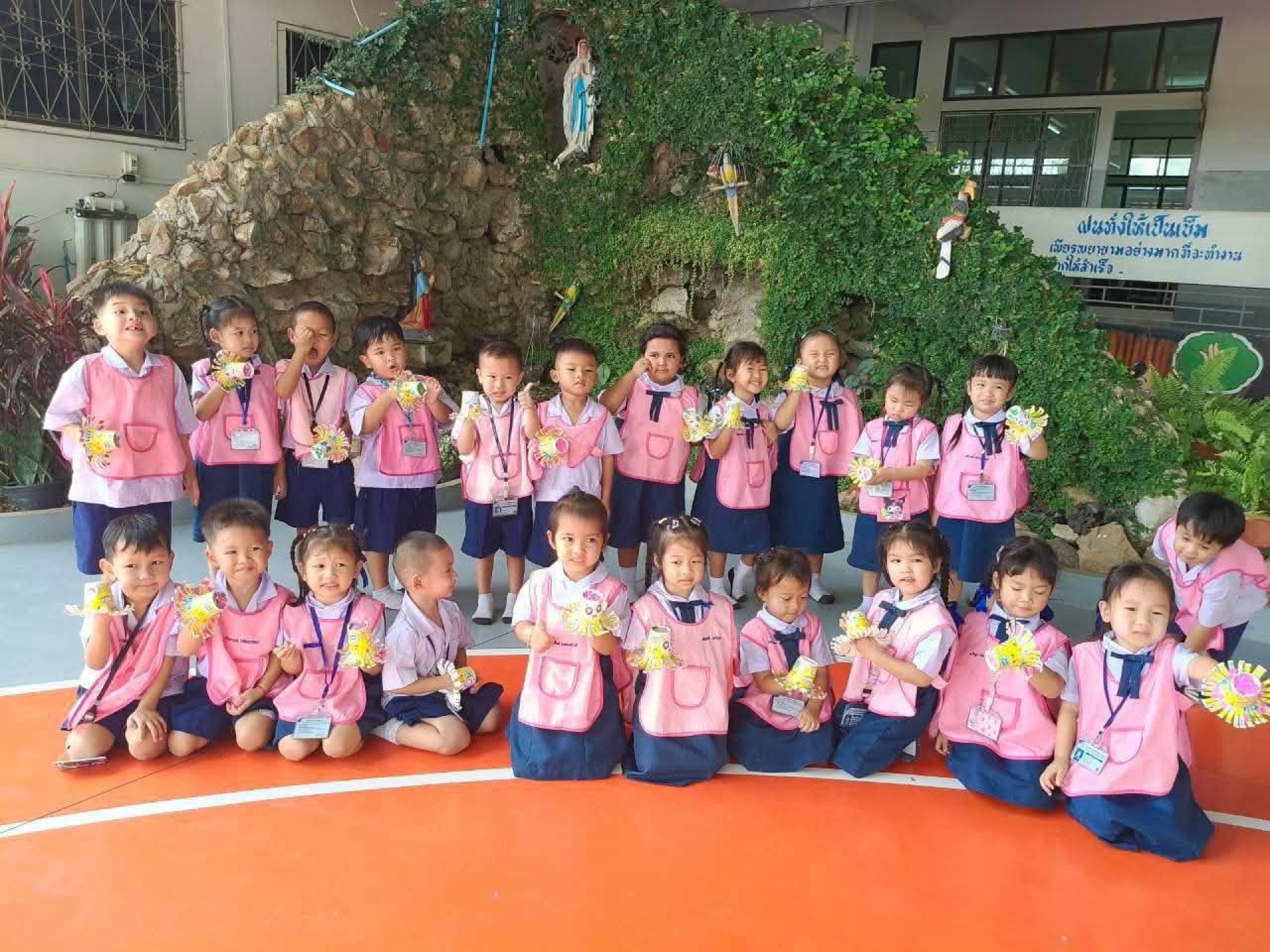
The primary objective of this activity was to foster crucial learning and developmental skills for early childhood students. Specifically, it sought to instill concepts of self-reliance, foundational life and vocational skills, and the judicious use of limited resources. These objectives align perfectly with the Philosophy of Sufficiency Economy, which emphasizes moderation, reasonableness, and self-immunity.
Creative Works from Recycled Materials
Students from each early childhood class collaboratively brainstormed and created one unique item using readily available everyday recycled materials. Their boundless imagination and teamwork flourished under the close guidance and supervision of the dedicated teaching staff.
Kindergarten 1: Created adorable octopuses from paper cups, meticulously guided by Teacher Suphang Wisetudomsak and Teacher Jankaeo Plukpanyadee.
Kindergarten 2: Fashioned colorful flowers from paper cups, with valuable advice from Teacher Rungnapa Kara and Teacher Urairat Kittichotphitut.
Kindergarten 3/1: Designed stylish keychains from bottle caps, under the inspiring mentorship of Teacher Piyathida Puangdokjee.
Kindergarten 3/2: Transformed tissue paper rolls into huggable dolls, supervised by Teacher Oraphin Panyalert.
Outcomes and Benefits
This activity not only resulted in beautiful creations but also provided a vital platform for students to develop fine motor skills, teamwork, problem-solving abilities, and full creative expression. Furthermore, it instilled a positive environmental consciousness and an appreciation for the value of recycled items. These are fundamental building blocks for growing into responsible and quality citizens, in line with the principles of the Philosophy of Sufficiency Economy.


Related Content

On July 7, 2026, St. Joseph Mae Ramat School, led by Director Sister Pia-Marie Patcharee Sunthornpian, hosted a scholarship presentation ceremony. Scholarships from the TISCO Foundation for Charity for the Academic Year 2026 were awarded to deserving students, fostering their educational journey and personal development.
Admin
7 Jul 2026
St. Joseph Mae Ramat School Unlocks Science and History through Integrated Field Trip in Phitsanulok
On August 20, 2069, St. Joseph Mae Ramat School led 40 Matthayom 6 (Grade 12) students on an integrated educational field trip to Phitsanulok Province. This initiative aimed to broaden students' learning experiences in science, technology, and historical art and culture beyond the traditional classroom setting.
Admin
24 Aug 2026

On June 25, 2026, students from the TO BE NUMBER ONE project at St. Joseph Mae Ramat School participated in World Anti-Drug Day activities in Mae Ramat District, proudly securing an honorable mention in the TO BE DANCE competition.
Admin
25 Jun 2026
